
December 1, 2025• byleahk
It seems like protein has taken the crown as the newest diet fad and is popping up everywhere. While protein is a great nutrient source, the current trend can be confusing and make you wonder “Am I eating enough protein?” In this article we’re covering:
- What is protein?
- What does protein do in the body?
- How much do you actually need?
- Debunking common protein misconceptions
- The bottom line when it comes to protein
What is protein?
Protein is one of the three macronutrients that are essential for the human body. It’s a large molecule made up of amino acids, and is essential to allow your body to do all of the amazing tasks it completes everyday.
Why is Protein so trendy right now?
Protein sells. In a culture that often equates “more” with “better,” companies know that labeling foods as “high-protein” makes them appear healthier, even when that’s not necessarily true.
The rise of gym culture and constantly changing beauty standards have also fueled this trend. The ideal female body type has shifted from thin to “strong”, such as toned arms, defined abs, and, of course, sculpted glutes. Social media influencers and fitness brands have capitalized on this, promoting protein-heavy diets as the key to achieving that look (though in reality, no amount of protein is going to magically give you defined muscles… that has much more to do with genetics and other factors outside of our immediate control)
From protein candy to protein-packed chips, brands are cashing in on the wellness trend. But many of these foods are more expensive, less satisfying, and not necessarily more nutritious.
Remember: foods don’t automatically become “healthy” just because they contain extra protein. A balanced diet also includes fiber, carbohydrates, fruits, and vegetables, all of which play essential roles in energy, digestion, and overall health.
What does protein do?
Protein has many responsibilities in the body such as building and repairing tissue, regulating metabolism, making enzymes and hormones, transporting nutrients and oxygen around the bloodstream, and supporting the immune system in making antibodies when you’re sick.
From a gentle nutrition perspective, eating protein can help you feel fuller for longer due to its complex structure. It takes your body more time to digest protein than other foods such as simple carbohydrates, which means that including protein in meals or snacks can increase their staying power.
How much protein do you actually need?
The standard way to determine how much protein is necessary for you is to follow the equation 0.8 grams of protein per kilogram of body weight. This will calculate a number that is a suggested minimum amount of protein per day.
However, if calculating numbers around body weight feels stressful and triggering, you don’t even have to go there.
It’s just as effective to know that about 10-35% of the foods you eat are suggested to be from a protein source.
When you start practicing intuitive eating, your body will learn how to communicate when it’s satisfied or when it needs more of a certain macronutrient, like protein. Instead of getting in the weeds with calculating numbers, try focusing on how your body feel when to arrive at the “right” amount of protein on any given day (the “right” amount can and will change day to day depending on things like activity level, stress, hormones, etc.)
Some people might find that more protein makes them full and energized, while for others protein isn’t as appetizing or doesn’t feel good in larger quantities. Both of these experiences are valid and completely normal, which is the awesome thing about intuitive eating; there are no food rules, and you are allowed to make decisions that make sense for you.
Debunking Common Protein Misconceptions: What the Hype Gets Wrong
Protein has become one of the biggest buzzwords in the wellness world. From the Kardashians’ “protein popcorn” to Starbucks’ new “protein lattes”, it seems like everything these days is “high-protein.” But with the hype comes a lot of confusion and often, unnecessary pressure to eat a specific way.
Let’s break down some of the most common protein myths.
Myth #1: You Need Protein Supplements to Be Healthy or Build Muscle
Protein supplement advertisements have become a marketing goldmine, but most people can actually easily meet their body’s needs through food alone. Meat, eggs, dairy, fish, beans, whole grains, and nuts are all satisfying, nutrient-rich sources of protein, and they come with added benefits like fiber, calcium, and iron that supplements can’t replace.
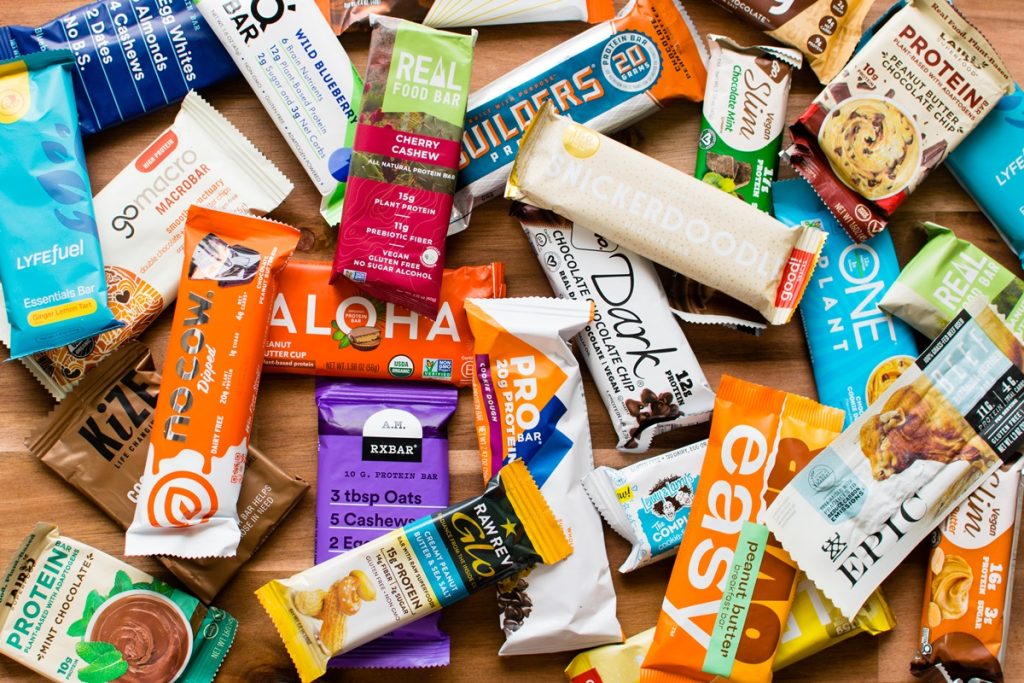
That said, protein powders or bars can absolutely be a helpful and convenient addition if you enjoy them or need something quick. If they add enjoyment to your eating, by all means use them.
Bottom line: If you like the taste of a protein shake and it feels good in your body— go for it. But if you prefer getting protein from whole foods, that’s just as nourishing. Our bodies are unique and the best choice is the one that feels satisfying and supports your lifestyle.
Myth #2: You Have to Eat Protein Right After a Workout
The “anabolic window” myth, the idea that you must eat protein within 30 minutes after a workout, has largely been debunked. Research shows that your total daily protein intake is far more important than exact timing. Whether you eat a meal right after your workout or later in the day, your body can still use that protein effectively for recovery and strength.
So, don’t panic if you can’t down a shake the second you leave the gym — you’re not going to “lose your gains.”
With that said, Intuitive eating is about finding balance between instinct, emotion, and logic. Sometimes our hunger cues alone aren’t enough. For example, after a tough workout, you might not feel hungry or may even feel nauseous, but logically you know your body still needs fuel to recover. The key is knowing when to lean into your intuition vs. logic; not forcing down a gritty protein shake out of fear, but choosing to nourish your body when you might be experiencing attunement disruptors.
Myth #3: Vegans and Vegetarians Can’t Get Enough Protein
This is one of the most common protein beliefs, but it’s not true. While animal proteins tend to be slightly more bioavailable (easier for the body to absorb), you can absolutely meet your protein needs through plants.
Plant-based protein examples:
- Lentils, beans, chickpeas
- Tofu, tempeh, edamame
- Quinoa, seitan, soy milk
- Nuts, seeds, and whole grains
By eating a variety of these foods throughout the day, your body naturally receives all the essential amino acids it needs. There’s no need to stress about “perfect combinations”, your body is smart and knows how to make use of the nutrients you provide it with.
Myth #4: High-Protein Diets Damage Your Kidneys
This concern mainly comes from studies involving people with pre-existing kidney disease, where protein metabolism can place additional strain on kidney function. However, for individuals with healthy kidneys, current research shows that even relatively high protein intakes — up to three to four times the typical amount — do not harm kidney health.
Unless you have kidney disease or another medical condition, there’s no need to worry that a balanced, higher-protein diet will damage your kidneys. That said, more isn’t always better.
Even if excess protein doesn’t directly cause harm, it can still create unnecessary strain on your body, since there’s a limit to how much protein the body can effectively use at one time.
So, Are Protein Products Worth It?
Sometimes. Protein-enriched foods like shakes and bars can be convenient if you’re busy or want something filling. But if you’re already eating balanced meals that include protein, these products won’t add much benefit, and may take away satisfaction– do you really prefer “protein popcorn” over the original (probably not). Not to mention, the “proteinified” version of foods is likely more expensive.
If you find yourself frantically buying protein products out of fear that you need more protein, take a step back. Your body gives you signals for a reason, if you need more protein, your body will ask for it.
It’s important to note that sometimes you just want the normal popcorn and not the “proteinified” version, and that’s perfectly okay. Diet trends can make eating turn into a utilitarian practice, or take away the beauty of enjoying a meal that just tastes good, makes you feel full, gives you comfort, or satisfies a craving. Remember, it’s okay to crave the normal version of your favorite foods, even if they’re not the most “protein-optimiized.”
Want to learn more about how to use nutrition science to nourish your body from a place of self care, not self control? Enroll in our course, Aligned Nutrition.
Thanks to my interns Ande and Ella for their help with this blog post.